 Horii Shoji
Horii Shoji: Authentic Kimono Rental & Styling堀商事:本格着物レンタル・着付け
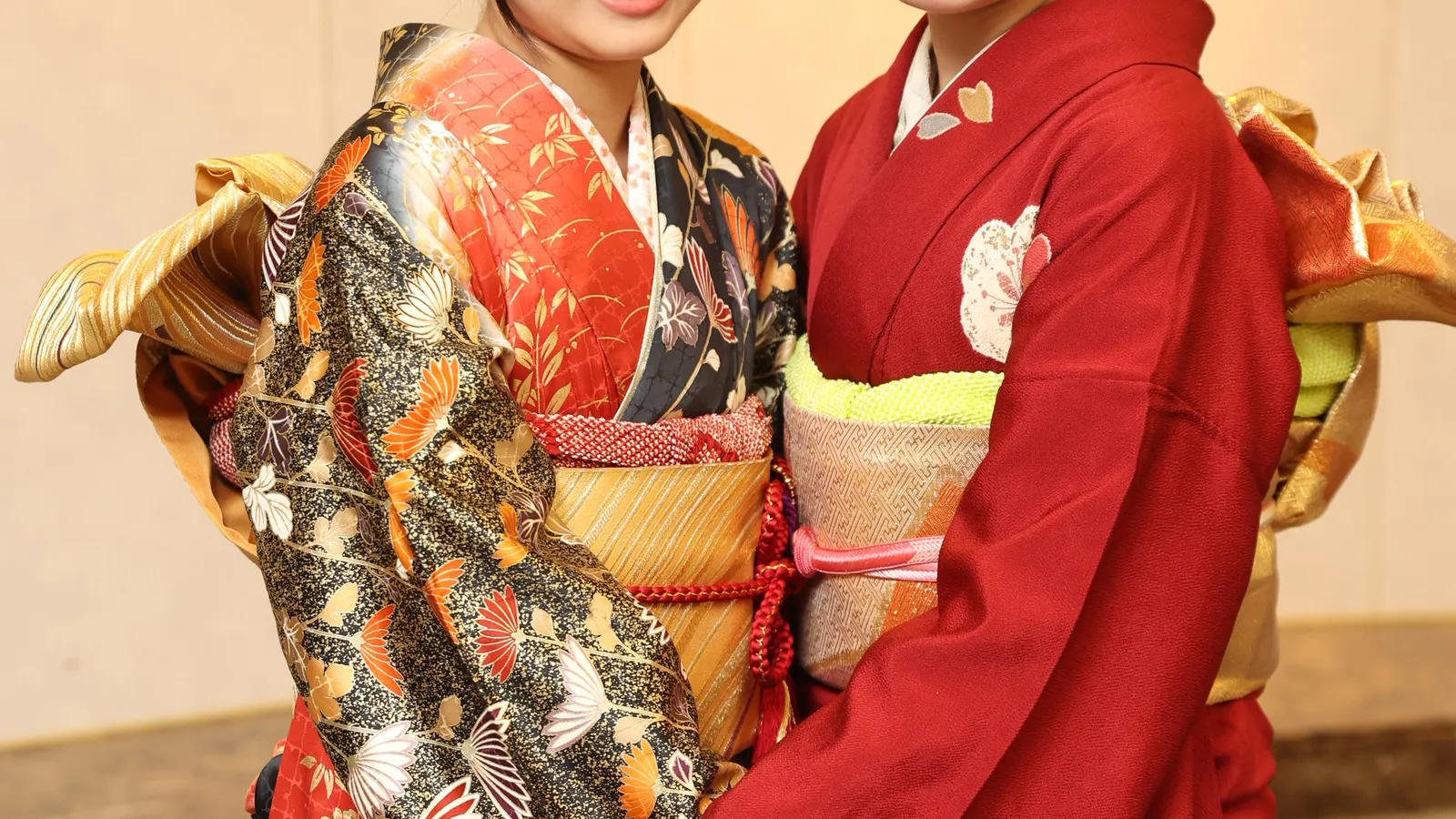
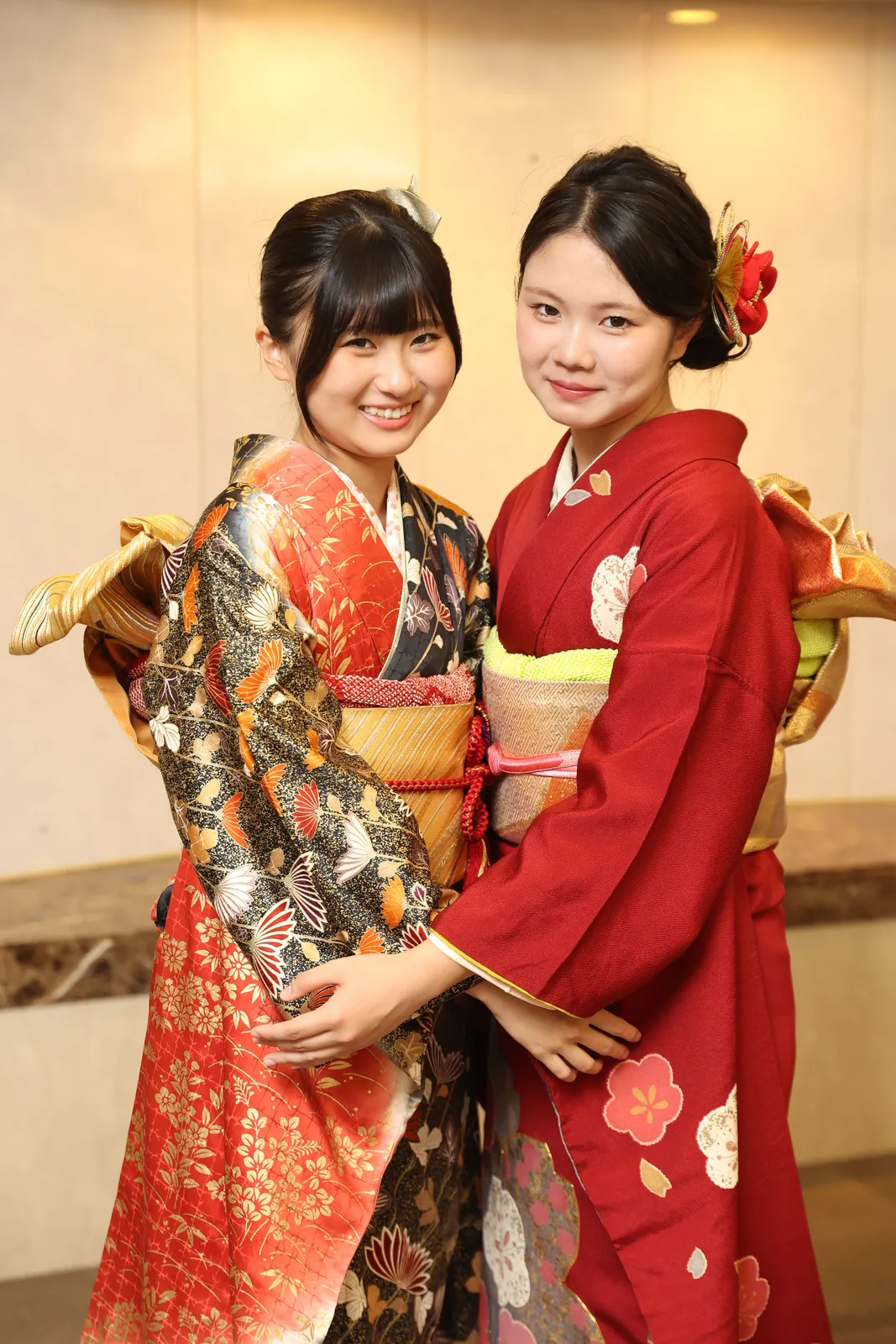
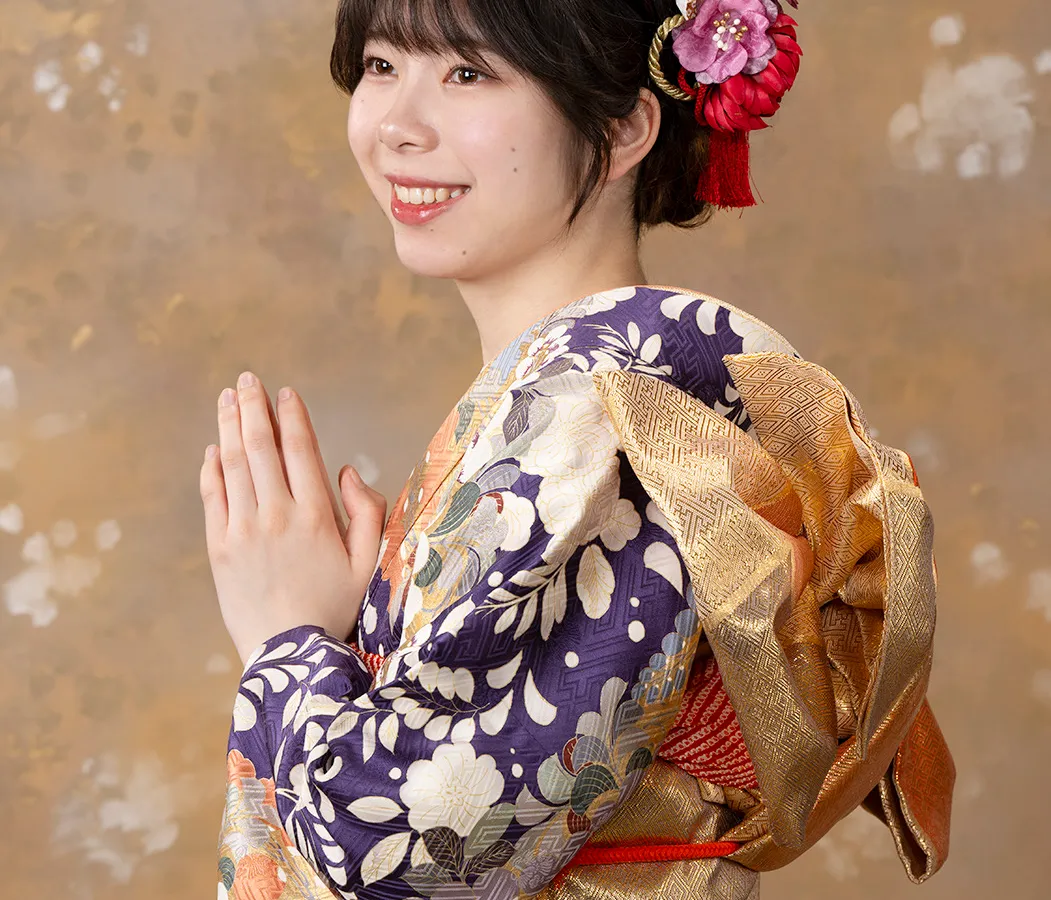
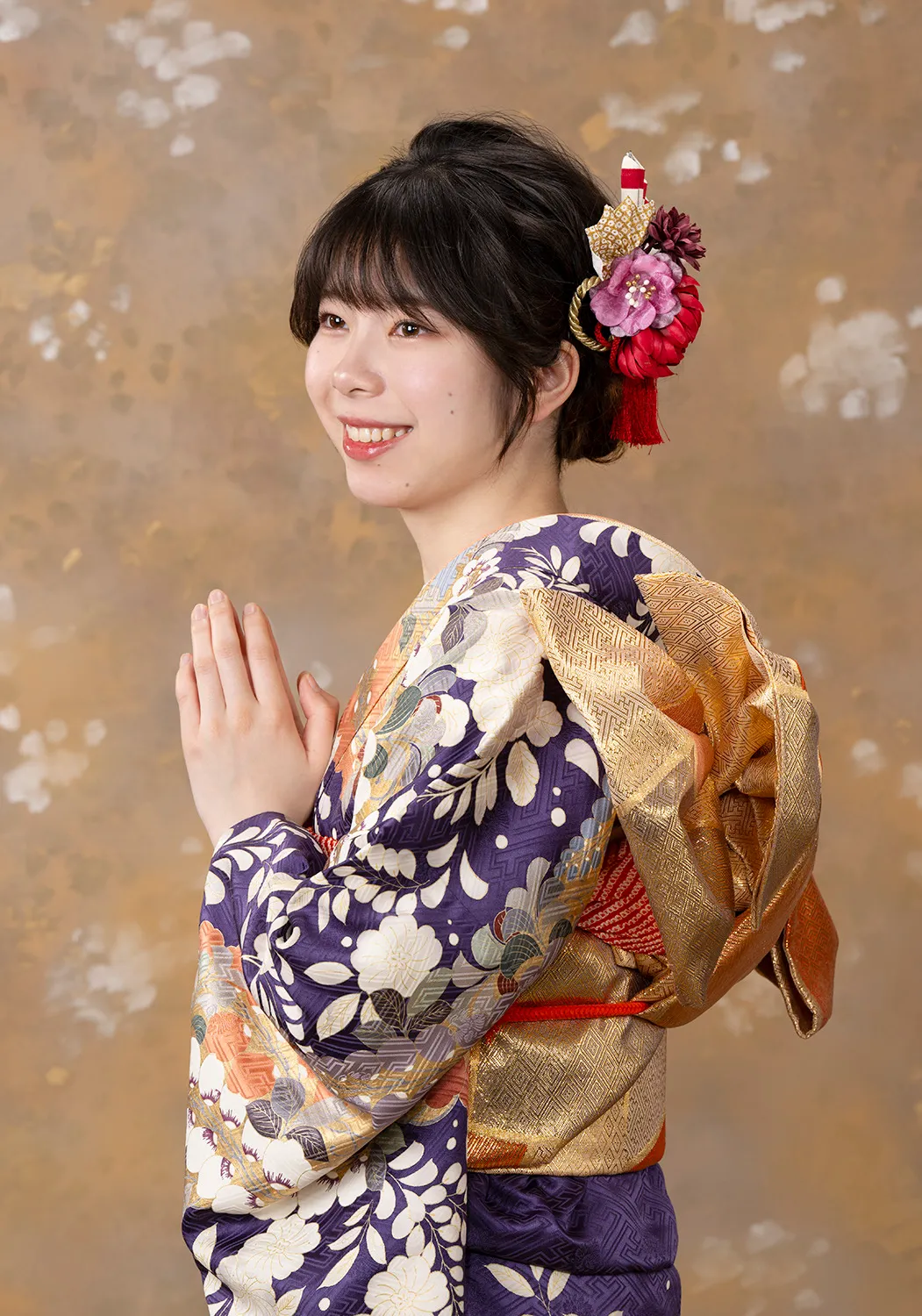
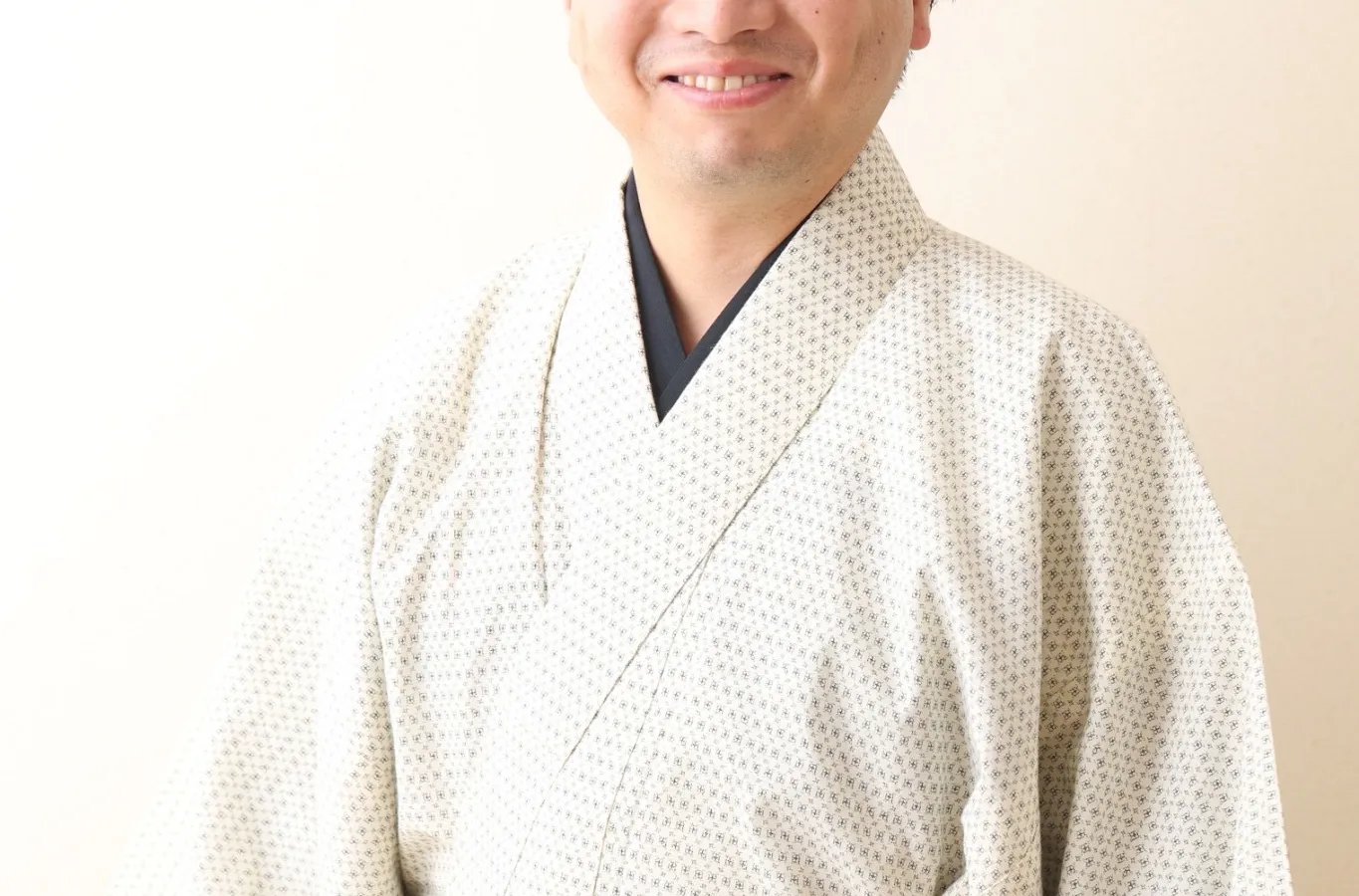
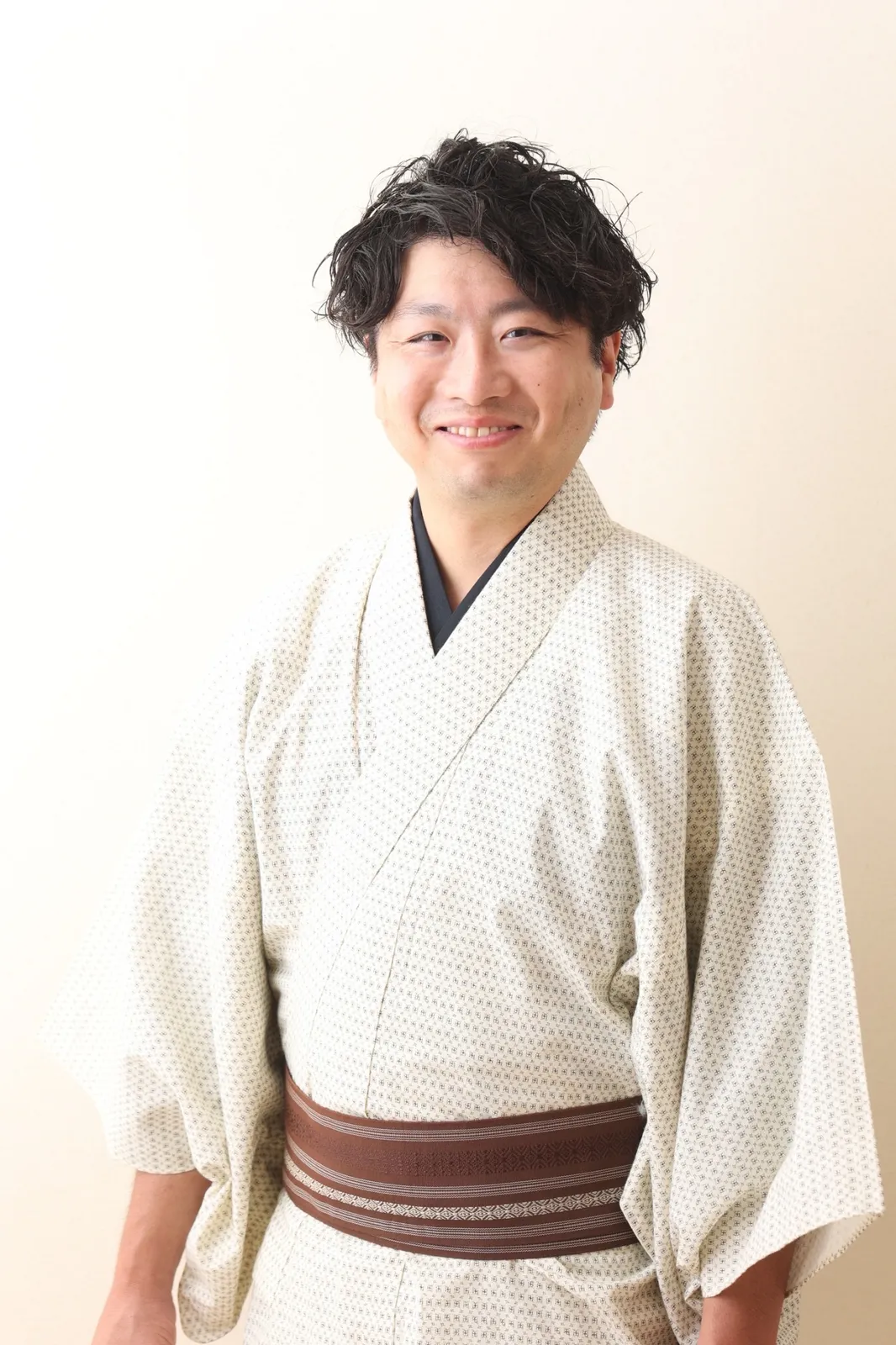
Making authentic kimono more accessible.本物の着物を、もっと身近に。
We're here to lower the barrier to wearing kimono and bring the beauty of Japanese tradition closer to you.
着物を着るための敷居を低くし、日本の伝統の美しさをあなたのすぐそばに。
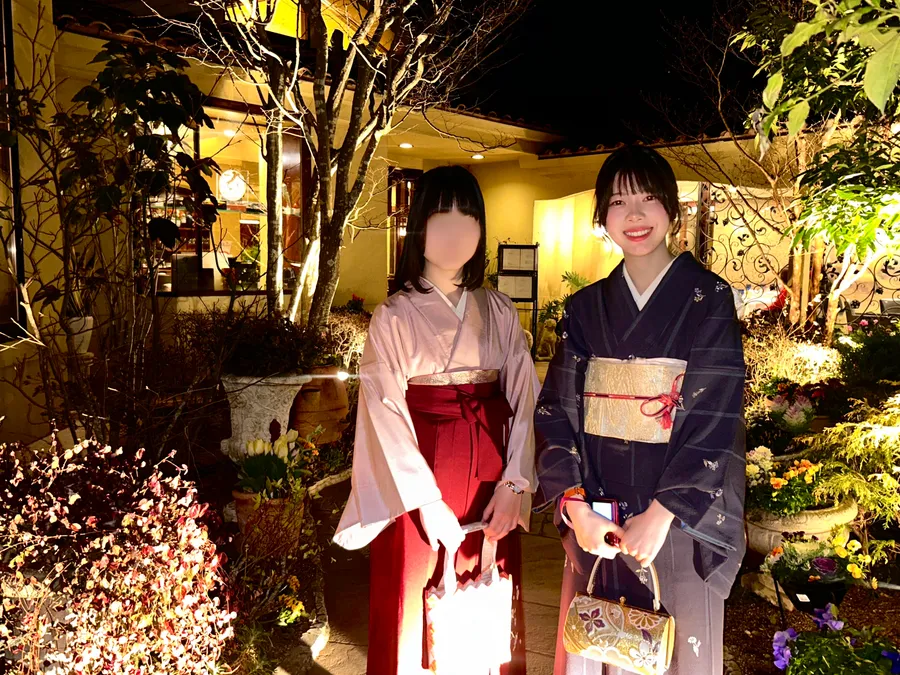
What is a kimono?着物とは
A kimono is a traditional Japanese garment: layered, deliberate, and worn for centuries as everyday and ceremonial dress. Horii Shoji brings that living tradition to Australia, letting you wear it as it was meant to be worn.
着物は日本の伝統的な衣装であり、何世紀にもわたって日常着や礼装として着用されてきました。堀商事は、その生きた伝統をオーストラリアにお届けします。
Three Aesthetic Pillars of Kimono着物をかたちづくる三つの美学
The reason Kimono transcends mere clothing to become a cultural symbol lies in three aesthetic pillars, each reflecting Japanese worldview, relationship with nature, and the philosophy of the body.
着物が単なる衣服を超えた文化的象徴である理由は、三つの美学的支柱に集約されます。それぞれが日本人の世界観・自然観・身体観を映し出しており、着物を纏う行為そのものを一つの精神的な実践へと昇華させています。
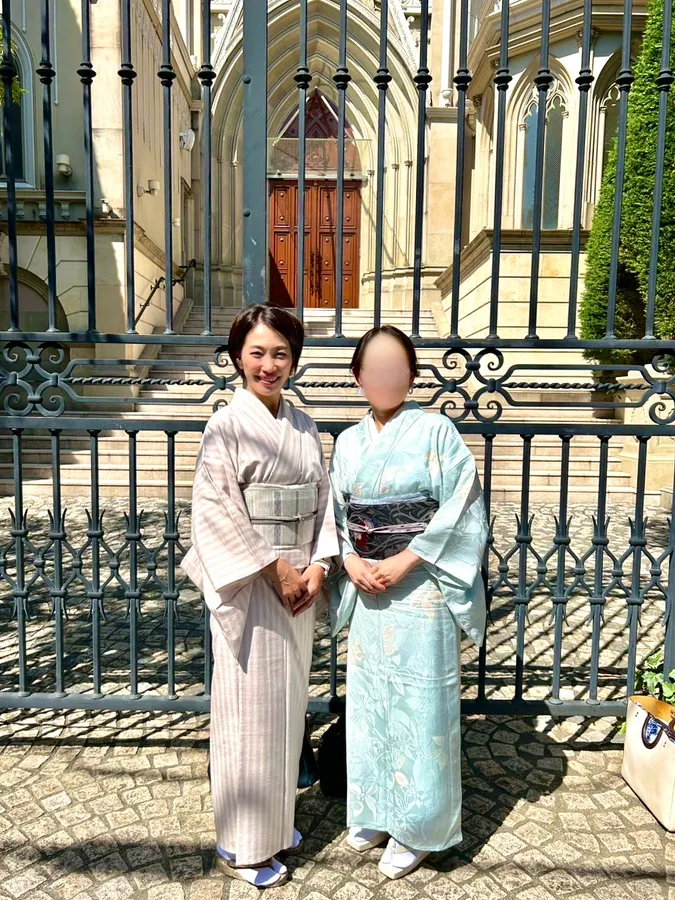
Straight Lines Harmonizing the Body身体を包み調和する「直線」
Rather than altering or restricting the body shape, Kimono softly wraps and accentuates one's natural form. The gentle interplay of straight cuts and soft drape creates a living beauty that moves with the wearer.
体を拘束するのではなく、与えられた身体固有の美しさを包み込んで引き出す日本独自の美学です。直線から生まれる柔らかな曲線の余白が、着る人の動きに呼応して揺れ、生きた美しさを生み出します。
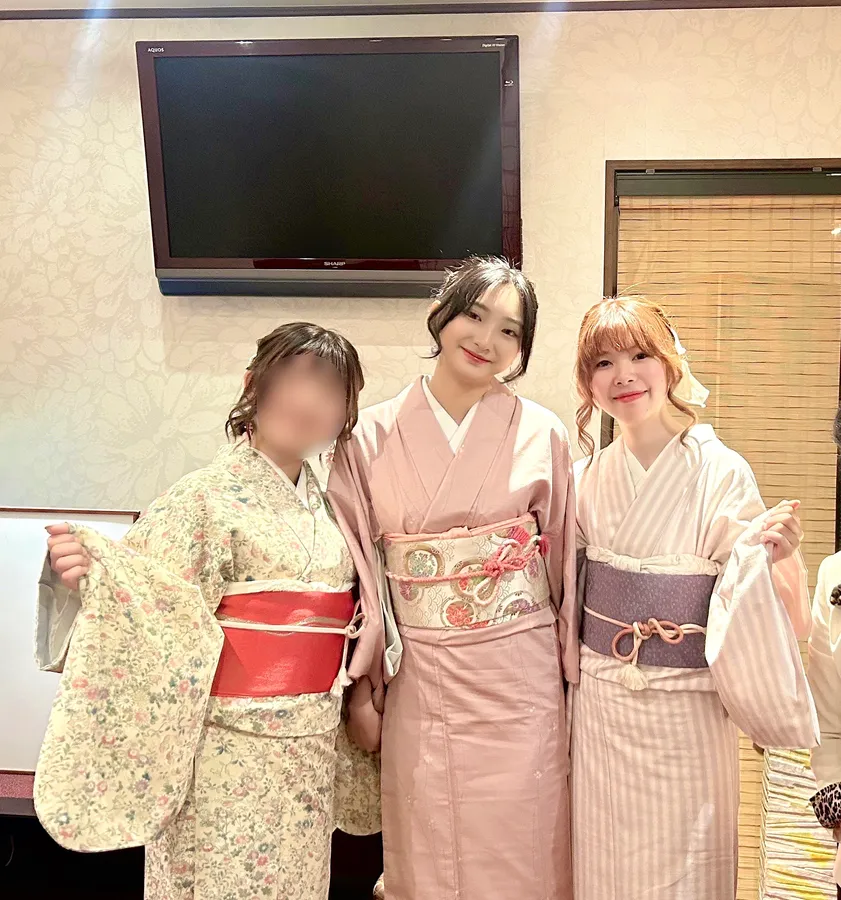
Wearable Paintings of Four Seasons着る四季の絵画(風流の美)
Wearing seasonal flora weeks before they bloom represents 'Iki' (chicness) and deep respect for seasonal change. By adorning plum, cherry, maple, or snow motifs, the wearer embodies the very poetry of nature's cycle.
季節の数週間前の草花をあしらい、「季節を少し先取りして装う」ことを『粋』とする風流な文化です。梅・桜・紅葉・雪といった自然の移ろいを纏うことで、着る人はまるで四季の詩を体現する存在となります。
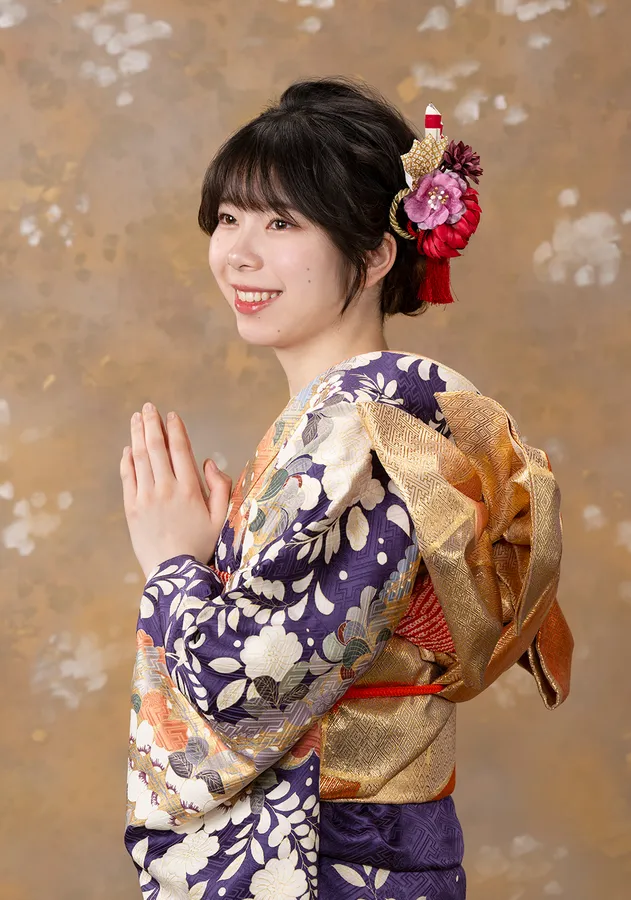
Poise and Inner Dignity ('Rin')立ち振る舞いを生む「凜」
Guiding upright posture and refined movements, Kimono cultivates grace, composure, and inner confidence. The obi naturally aligns the body, polishing every gesture (walking, sitting, and bowing) into a portrait of quiet dignity.
背筋を伸ばし動作を丁寧に整える。着物は纏う人の姿勢、動作、そして内面の品格を育みます。帯に締められた身体は自然と所作が整い、歩む姿・座る姿・礼をする姿のすべてが凜とした佇まいへと磨かれていきます。
Three Modern Structural Challenges現代における三大課題
For Kimono culture to be passed on to the next generation, we must honestly confront three structural challenges. Each of us is called to deepen our understanding and take meaningful action to keep this tradition alive.
着物文化が次世代へと受け継がれるためには、現代が抱える構造的な三つの課題を直視し、誠実に向き合うことが不可欠です。伝統の灯を消さぬよう、私たちひとりひとりの理解と行動が問われています。
Crisis of Artisanal Craftsmanship伝統技術の途絶と職人の高齢化
Master artisans are aging without successors. Without sustainable economic support, irreplaceable handcraft traditions (Yuzen, Nishijin weaving, Kaga-Yuzen) face extinction. Once lost, these techniques can never be fully recovered.
織元や染め師の高齢化が進み、後継者不足が深刻化しています。最高峰の手仕事を適正価格で支える経済循環の不足が大きな課題であり、一度途絶えた技術は二度と再現できません。友禅・西陣織・加賀友禅など、地域固有の伝統技法が消滅の危機に瀕している現状を私たちは重く受け止める必要があります。
High Barrier & Rigid Rules「敷居の高さ」と過度なルール
Perceptions of overly strict etiquette and complex dressing deter younger generations. In truth, Kimono is meant to be enjoyed freely, in dialogue with one's own sensibility. Over-rigidity obscures the genuine joy of wearing it.
「着付けが難解」「格やマナーが厳しい」という固定観念が参入障壁を生み出しています。本来、着物は季節や場、そして自らの感性と対話しながら自由に楽しむものです。過度なルール化は、着物本来の喜びを覆い隠し、若い世代を遠ざける一因となっています。
Devaluation via Mass Tourism「簡易化」による価値の無理解
Cheap polyester rentals risk reducing authentic silk craftsmanship to disposable costume dress-up. As mass tourism normalizes this perception, cultivating people who truly understand Kimono's value becomes the foundational solution for protecting both industry and culture.
安価なポリエステル着物の普及により、本物の絹や手仕事の価値が伝わらない懸念があります。観光地での使い捨て感覚のレンタル文化が広まるほど、着物が「コスプレ的な衣装」として消費される危険性が高まります。真の価値を知る人を育てることが、産業と文化の双方を守る根本的な解決策です。